
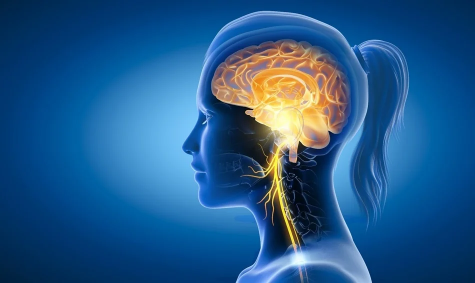
Patients with Long-COVID may have swallowing issues, headaches, blood pressure dysregulation, shortness of breath, difficulty with digestion, and more. All of these things can be directly linked to the vagus nerve.
- Patients suffering from Long-COVID often experience a range of distressing symptoms, including swallowing difficulties, headaches, blood pressure irregularities, shortness of breath, and digestive problems. Many of these symptoms are intricately linked to the vagus nerve, which is increasingly recognized for its involvement in the aftermath of COVID-19. Emerging evidence has underscored the virus’s capacity to affect the nervous system, and the vagus nerve, originating from the brainstem, extends its influence throughout critical regions of the body, including the throat, the heart’s sinoatrial node, and the entire digestive tract.
- As one of the body’s most influential nerves, it plays a pivotal role in regulating various autonomic nervous system functions. Initial studies on subject groups are exploring the mechanisms by which the vagus nerve becomes inflamed. Ultrasound imaging has revealed signs of nerve thickening and reactive tissue signaling as it exits the neck, indicating the presence of inflammation.
- The repercussions of vagus nerve inflammation are far-reaching, giving rise to a diverse array of symptoms. Owing to the vagus nerve’s extensive innervation and anatomy, individuals may experience a spectrum of issues, from dizziness and blood pressure irregularities to heart palpitations and digestive disturbances. Equally significant is its impact on mental health, where mood disorders, anxiety, and depression can manifest, as the vagus nerve constitutes 80 percent of the parasympathetic nervous system, responsible for the body’s ‘rest and digest’ state. Moreover, an intriguing connection arises in the context of adverse events associated with COVID-19 vaccines. Notably, there have been numerous reports of neurological symptoms closely resembling those seen in Long-COVID, such as headaches, swallowing difficulties, and ear pain. These adverse events have been more frequently reported among females than males, though many cases may remain unreported. In light of the more than 800,000 reported adverse events linked to the vaccines, a substantial proportion is of a neurological nature, raising questions and concerns about their broader impact.
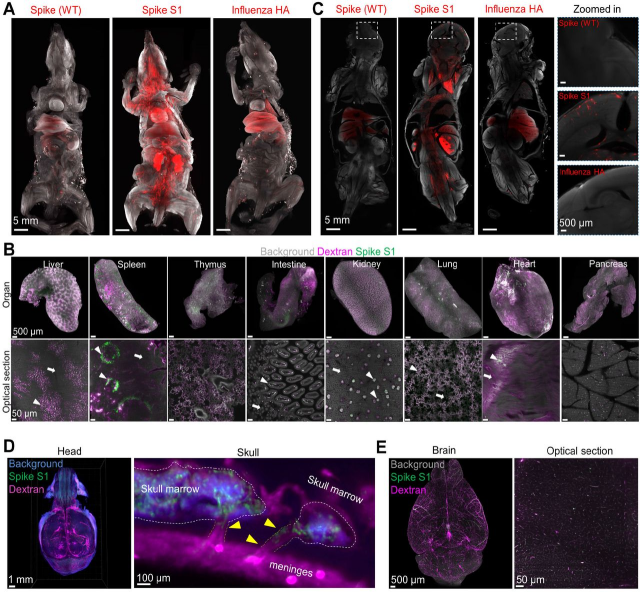
- Data suggests that SARS-CoV-2 RNA has been identified at the entry site of the vagus nerve and induces inflammation followed by autonomic nervous system dysfunction (dysautonomia) which contributes to critical disease courses observed in Long- COVID.
Dysautonomia can cause any of following symptoms:
- Balance problems
- Fainting or passing out (especially when standing up)
- Nausea and vomiting
- “Brain fog,” forgetfulness or trouble focusing
- Fast heart rate (tachycardia) or slow heart rate (bradycardia)
- Pinpoint eye pupils or unusually wide eye pupils
- Changes in bowel movements (constipation or diarrhea)
- Fatigue or ongoing tiredness
- Sexual dysfunction
- Chest pain or discomfort
- Frequent urge to urinate or urinary incontinence
- Shortness of breath (dyspnea)
- Clammy or pale skin
- Heart palpitations
- Sleeping problems
- Trouble swallowing (dysphagia)
- Irregular heart rhythm (arrhythmia)
- Sound or light sensitivity
- Dizziness or lightheadedness (especially when standing up)
- Low blood sugar (hypoglycemia)
- Sweating more or less than usual, or sweating more in certain body parts
- Unusually dry or watery eyes
- Migraines or frequent headaches
- Swings in body or skin temperature
- Excessive drooling
- Mood swings or anxiety
- Vision issues (blurred vision or trouble with your eyes adjusting to light changes)
- Exercise intolerance (your heart rate doesn’t change with physical activity)
- Runny nose
- Vertigo

CellStim Microcurrent Therapy Treatment
Cellstim Microcurrent Therapy (CMT) is an innovative and promising approach designed to address vagus nerve inflammation, providing a solution for a range of health issues related to this critical neural pathway. CMT delivers low-level electrical currents, precisely calibrated to stimulate and promote increased adenosine triphosphate (ATP), an essential molecule required for cell regeneration, resulting in rapid clearing of inflammation. By delivering targeted microcurrents, CMT can reduce inflammation in the vagus nerve, which has been implicated in various health conditions, including those associated with Long-COVID.
CMT can alleviate physical symptoms but also holds promise for improving mental health, as the vagus nerve plays a significant role in regulating mood and emotional well-being. With its non-invasive nature and ability to reduce inflammation, CMT represents a hopeful avenue for those seeking relief from conditions associated with vagus nerve dysfunction and dysautonomia, providing the possibility of a brighter, healthier future.
CellStim CS400T parameters:
Frequency set to 0.3 Hz
Current intensity set to 300 uA or subthreshold
Biphasic waveform (Triphasic Switch center position)
Treatment duration: 60 minutes per day
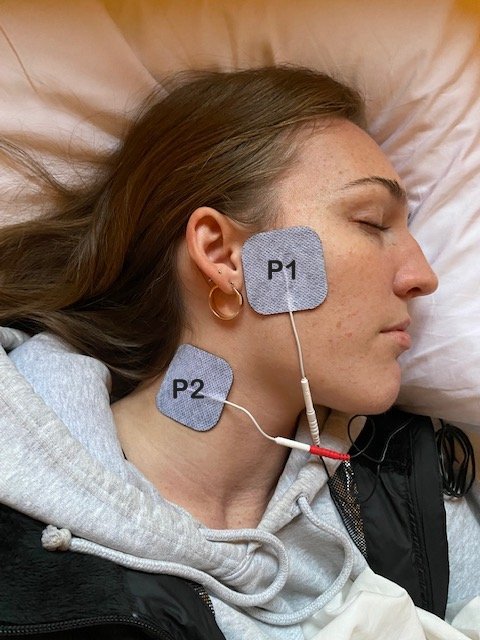
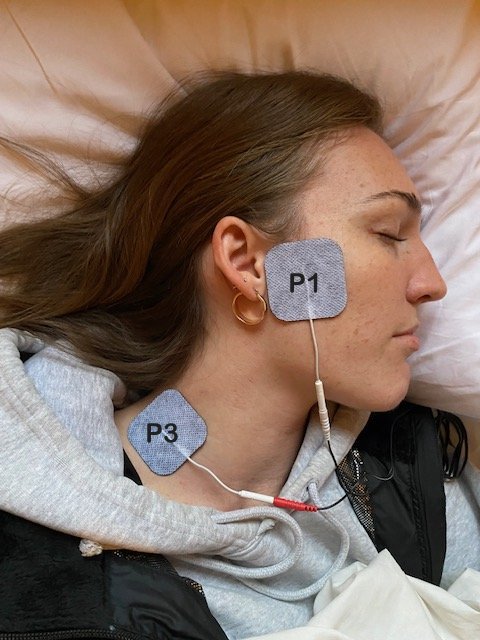
Pad placement
Place P1 pad at upper right TMJ and alternate second pad between P2 and P3 for 15 minutes each, twice a day. Repeat on left side of neck.

- Vagus nerve dysfunction causing dysautonomia is serious condition and any intervention should be done under medical supervision to ensure safety and effectiveness. Always consult with a healthcare provider for appropriate diagnosis and treatment options.
References
Vagus nerve inflammation contributes to dysautonomia in COVID-19 (Jul 2023)
https://www.ncbi.nlm.nih.gov/pmc/articles/PMC10412500/
SARS-CoV-2 RNA has been identified at the entry site of the vagus nerve into the brainstem of COVID-19 patients [24] which implies that SARS-CoV-RNA is detectable along the entire route of the vagus nerve. Additionally, the axonal transcriptomes strongly correlate with the somatic transcriptomes in neurons and even stronger reflect protein synthesis since these mRNAs are transported to axons to be locally translated [23]
Vagus Nerve Dysfunction in the Post-COVID-19 Condition (Jun 2023)
https://papers.ssrn.com/sol3/papers.cfm?abstract_id=4479598
Vagus nerve dysfunction has a central pathogenic role in the pathophysiology of the post-COVID condition
SARS-CoV-2 entry sites are present in all structural elements of the human glossopharyngeal and vagal nerves: Clinical implications (Apr 2022)
https://www.thelancet.com/journals/ebiom/article/PIIS2352-3964(22)00165-7/fulltext
SARS-Cov-2 virus affects the peripheral and central nervous system. Demonstration of the expression of molecules that it can use as an entry site is just the beginning.
Non-invasive brain microcurrent stimulation therapy of long-COVID-19 reduces vascular dysregulation and improves visual and cognitive impairment (Dec 2021)
https://www.ncbi.nlm.nih.gov/pmc/articles/PMC8764598/
Microcurrent reduced vascular dysregulation by normalizing vessel dynamics (dilation/constriction), with particularly noticeable changes in the peripheral veins and arteries.
Serious adverse events of special interest following mRNA COVID-19 vaccination in randomized trials in adults (Sep 2022)
https://www.sciencedirect.com/science/article/pii/S0264410X22010283
Combined, there was a risk difference of 12.5 serious Adverse Events per 10,000 individuals vaccinated (95 % CI 2.1 to 22.9)